The humans generate waste has been detrimental to our environment for quite some time now. Humans are generating too much trash and cannot deal with it in a sustainable way. Waste that is not biodegradable and cannot be properly be recycled is filling our oceans and landfills. Let’s take plastic waste as an example. A recent study found that of the 6.3 billion metric tons of plastic waste that has been produced, only 9% of that plastic waste had been recycled.
The trash that is dumped in landfills releases methane gas Taken one step further open landfills were found to represent 91% of all landfill methane emissions . The burning of large, open piles of trash in various parts of the world emits dangerous levels of carbon dioxide, a greenhouse gas that is heating up our planet. Researchers have calculated that approximately 40% of the world’s trash is burned in this fashion , posing large-scale risks to both our atmosphere and the people that live near these burning sites.
Waste generated by per person in India & World
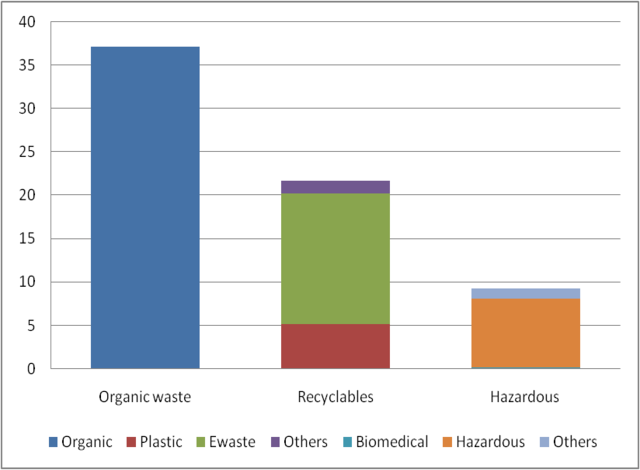
Waste Composition of India, in Million Metric Tones per annum. Source: PIB 2016
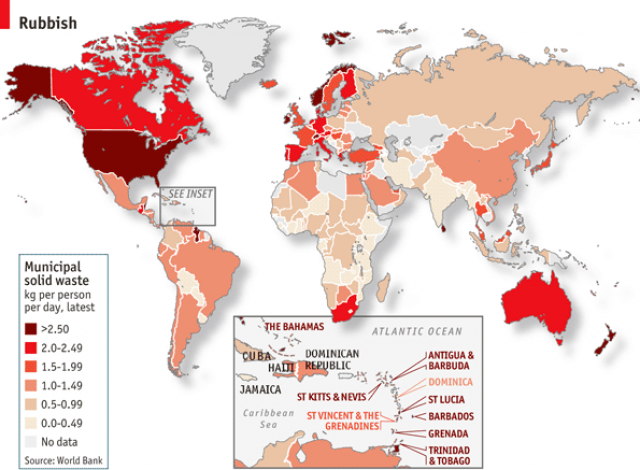
Municipal solid waste (MSW) production, kg per person per day, World Bank 2012
SOLUTION
Biogas is an environmentally-friendly, renewable energy source. It produced when organic matter, such as food or animal waste, is broken down by microorganisms in the absence of oxygen, in a process called anaerobic digestion.
Biogas is produced when bacteria digest organic matter (biomass) in the absence of oxygen. This process is called anaerobic digestion. It occurs naturally anywhere from the within the digestive system to the depth of effluent ponds and can be reproduced artificially in engineered containers called digesters.